Can braces fix TMJ? Braces may help reduce some TMJ symptoms if crooked teeth or bite problems are causing jaw pain. They slowly move the teeth into better positions, helping the upper and lower teeth fit together more evenly. However, braces cannot fix every TMJ problem. The right treatment depends on what is causing the pain and whether it affects the jaw joint, muscles, or bite. If you are considering TMJ braces in North Hollywood, a dental checkup can help you understand whether braces may help with your jaw discomfort.
What Is the Connection Between TMJ Problems and Misaligned Teeth?
The temporomandibular joints connect the lower jaw to the skull. These joints help with everyday actions such as chewing, speaking, and opening the mouth.
TMJ problems can cause symptoms such as:
- Pain or tenderness around the jaw.
- Clicking or popping sounds when opening the mouth.
- Headaches or pain near the ears.
- Jaw stiffness or difficulty opening the mouth.
- Discomfort while chewing.
TMJ and misaligned teeth can occur together, but one does not always cause the other. Jaw pain may also be linked to teeth grinding, muscle tension, joint injury, arthritis, or other conditions.
Can Braces Fix TMJ Problems?
Braces may help when a clear bite or tooth alignment problem contributes to difficulty chewing or uneven contact between teeth. By moving teeth into planned positions, orthodontic treatment can improve how the upper and lower teeth meet.
However, braces do not always fix TMJ problems. Studies have not shown that changing the bite will always stop jaw pain. If the pain is caused by swelling in the jaw joint, tight muscles, or teeth grinding, braces alone may not help.
A dentist near you can help assess the possible causes of jaw pain before recommending orthodontic care.
How Do Braces for TMJ Alignment Work?
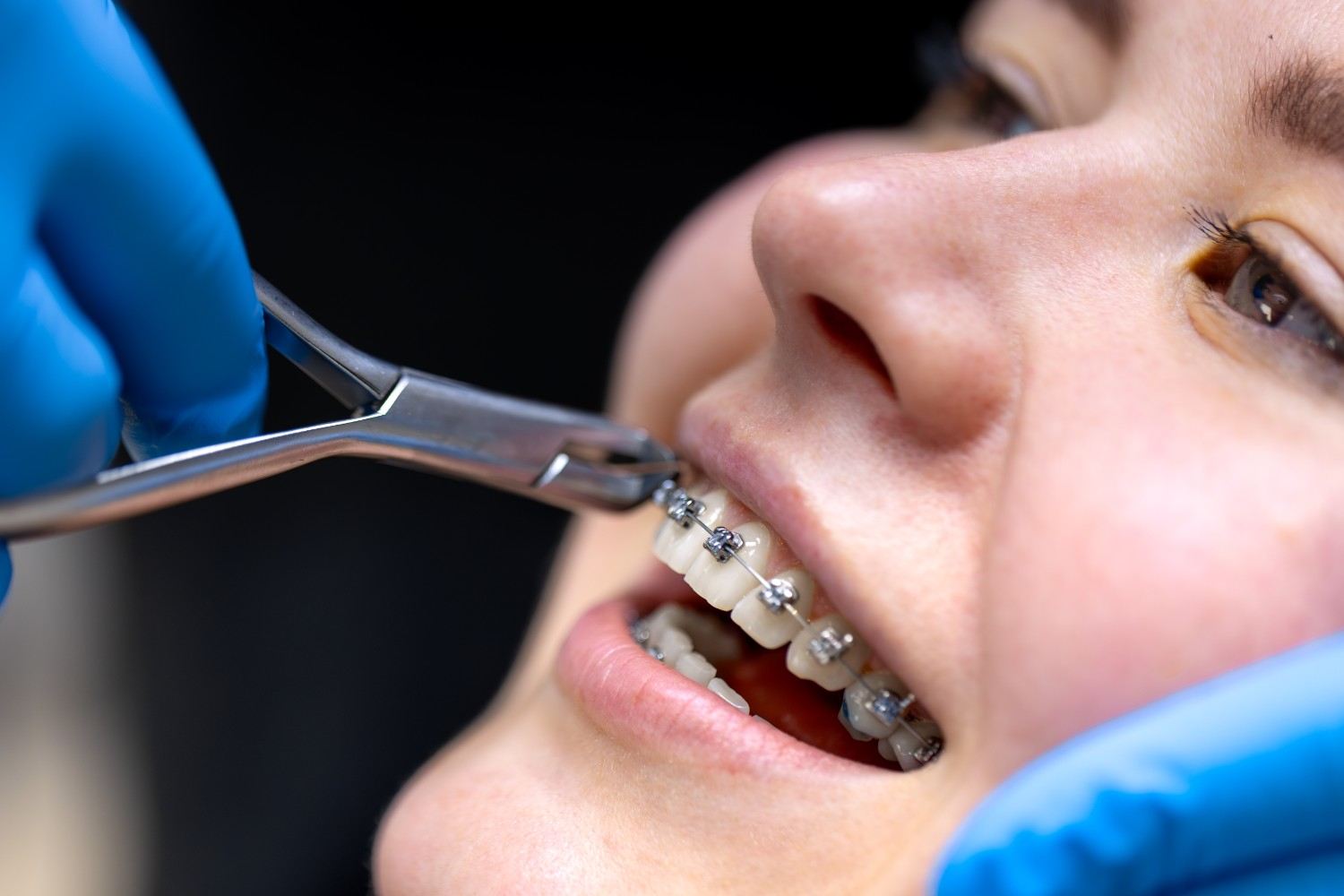
When orthodontic treatment is appropriate, braces apply gentle pressure to gradually move teeth. This can improve bite alignment and correct certain dental problems.
The process usually includes these steps:
- Dental and jaw checkup: The dentist checks your teeth, bite, jaw movement, and areas where you feel pain.
- Treatment planning: X-rays, photos, or digital scans may be taken to check your teeth and plan the treatment.
- Getting braces: Small brackets and wires are placed on your teeth to move them into the right positions slowly.
- Regular checkups: You visit the dentist regularly to check how your teeth are moving and make changes to the braces if needed.
- Wearing retainers: After the braces are removed, retainers help keep your teeth in their new positions.
The goal is to improve tooth alignment, not to force the jaw joint into a new position.
What Other Treatments May Help With TMJ Pain?
Braces are not always needed for TMJ care. TMJ treatment in North Hollywood depends on the cause and severity of the symptoms. Some non-surgical options may help manage discomfort.
These may include:
- Soft foods: Choose foods that require less chewing during painful periods.
- Warm or cold packs: Use them as advised to help ease muscle discomfort.
- Jaw exercises: Follow gentle exercises recommended by a dental or healthcare professional.
- Night guards: A properly fitted guard may help protect teeth from grinding, although it may not stop the grinding itself.
- Pain management: Medication may be recommended when appropriate.
Avoid chewing gum, biting hard foods, or repeatedly opening the mouth very wide when these actions increase discomfort.
Who May Benefit From TMJ Braces?
Orthodontic treatment may be considered when tooth crowding, certain bite problems, or uneven tooth contact need correction. However, jaw pain alone is not a reason to get braces.
An assessment at a dental office can help identify whether the symptoms are related to the teeth, jaw muscles, or joint. A dentist in North Hollywood can also discuss whether an orthodontic evaluation or another type of TMJ care is needed.
If braces are not suitable, other treatment options may be discussed based on the diagnosis.
Find a Better Way to Improve Your Bite!
Living with jaw discomfort or an uneven bite can make everyday activities like eating and speaking less comfortable. The first step is to understand what is causing the problem and which treatment may help. Contact Victory Plaza Dental Group to arrange a consultation, have your bite checked, and discuss whether braces could help move your teeth into a better position. You can also learn what to expect from treatment and which options may suit your dental needs.
FAQs
Can braces make TMJ pain worse?
Some people may feel mild pain or soreness as their teeth move with braces. They may also notice changes in how their teeth fit together. If your jaw pain gets worse or you notice new problems, contact your dentist for a checkup.
How long does it take for braces to improve bite alignment?
Treatment time varies based on the amount of tooth movement needed. Many orthodontic cases take several months to a few years. There is no set timeline for TMJ symptom improvement.
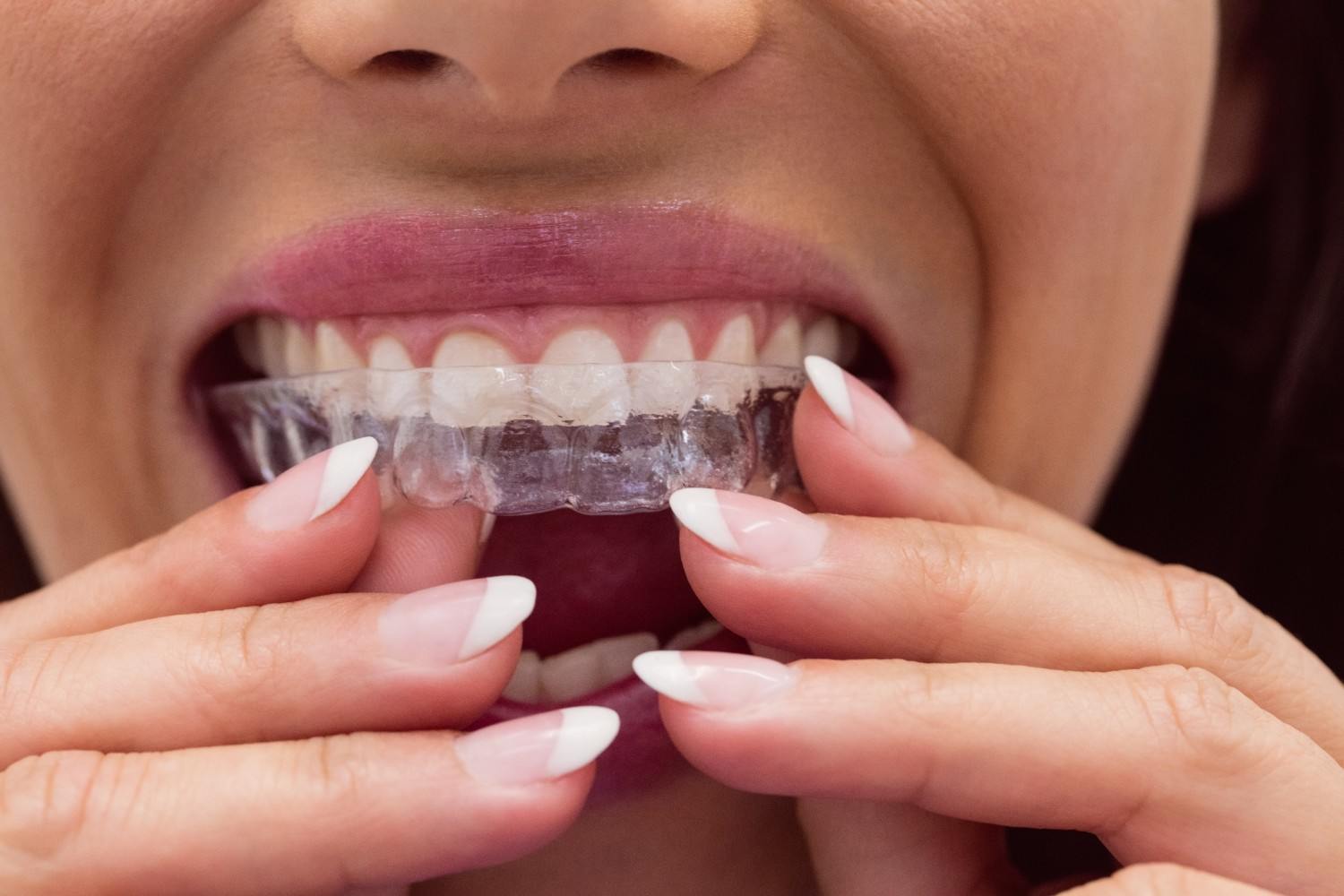
Are clear aligners better than braces for TMJ problems?
Neither option is automatically better for TMJ disorders. The choice depends on the type of bite problem, the planned tooth movements, and the patient’s dental needs.
Can braces stop teeth grinding and jaw clenching?
Braces may correct tooth alignment, but they do not reliably stop grinding or clenching. These habits may need separate care and management.